A second visit to the Centre for Computing History
Second trip to Cambridge's Centre for Computing History in a few weeks, this time just to be in the room with the machines.
Ben Rees - 1 November 2026
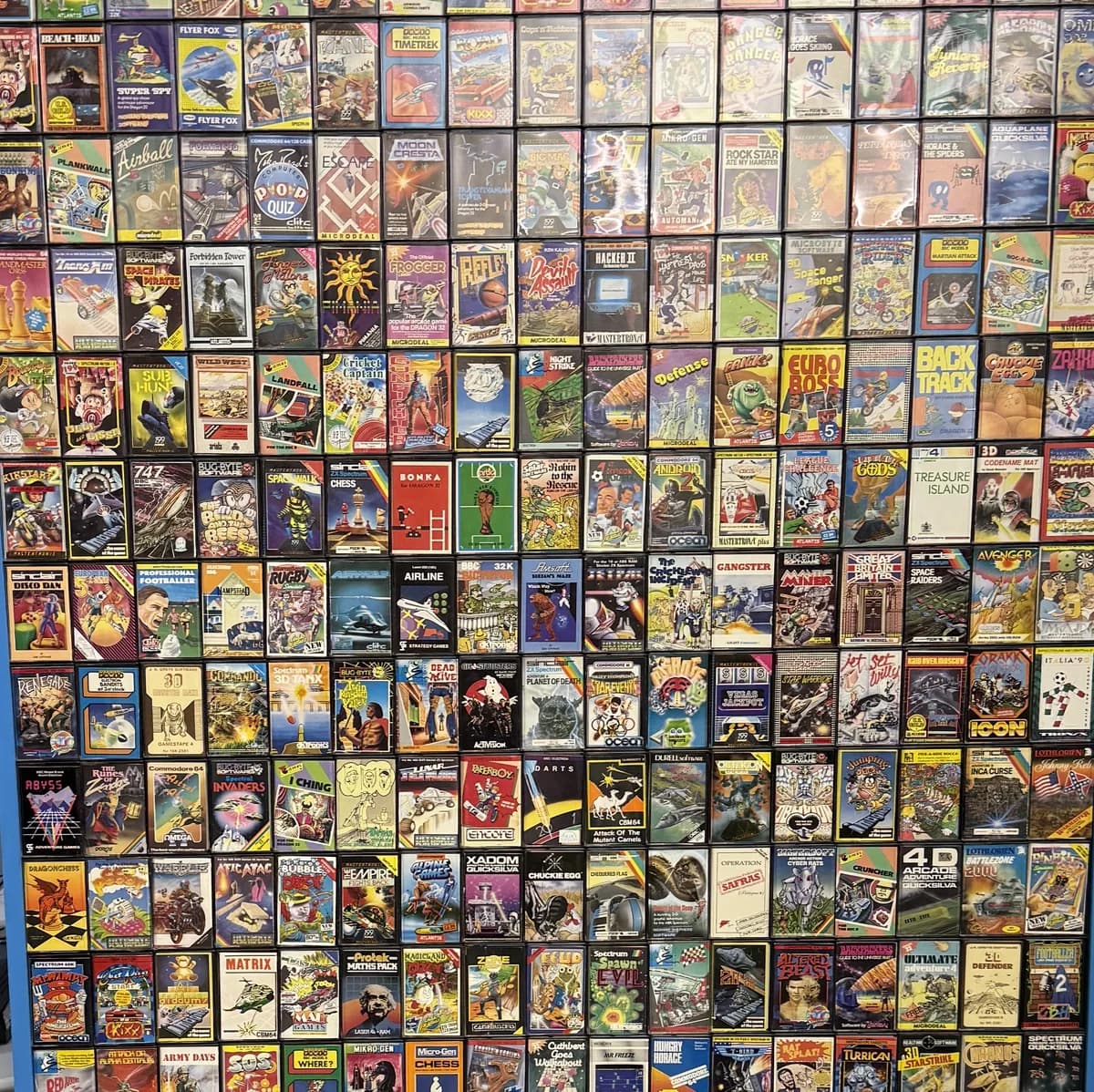
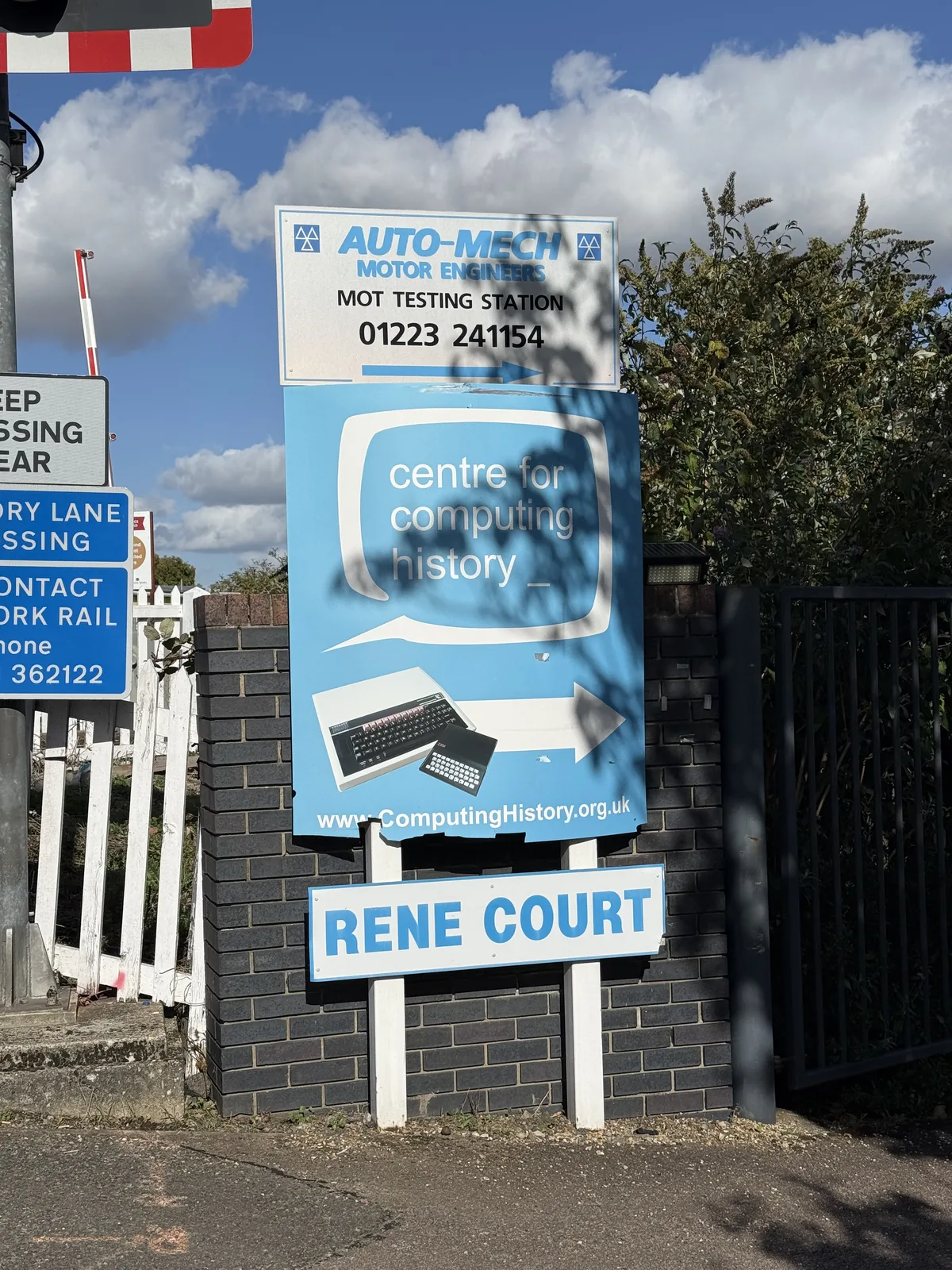
Second visit to the Centre for Computing History in Cambridge in a few weeks. First time I went to decode a cassette tape. This time I just went to be in the room with it.
I wrote about why that distinction matters in The platforms have inserted themselves into the relationship: every step between you and the real thing loses something. A museum full of machines you can actually touch is about as close to zero steps as marketing gets.
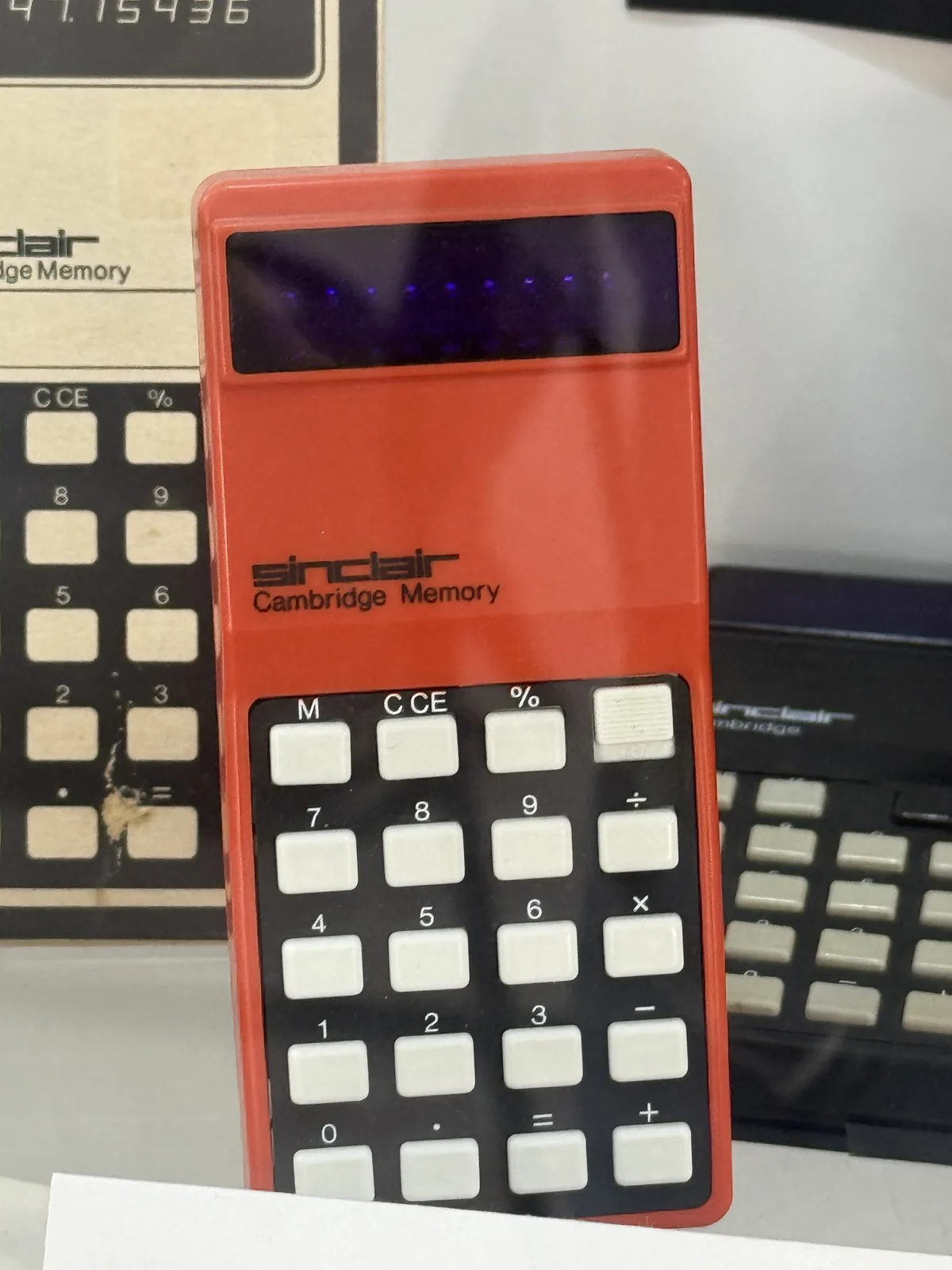
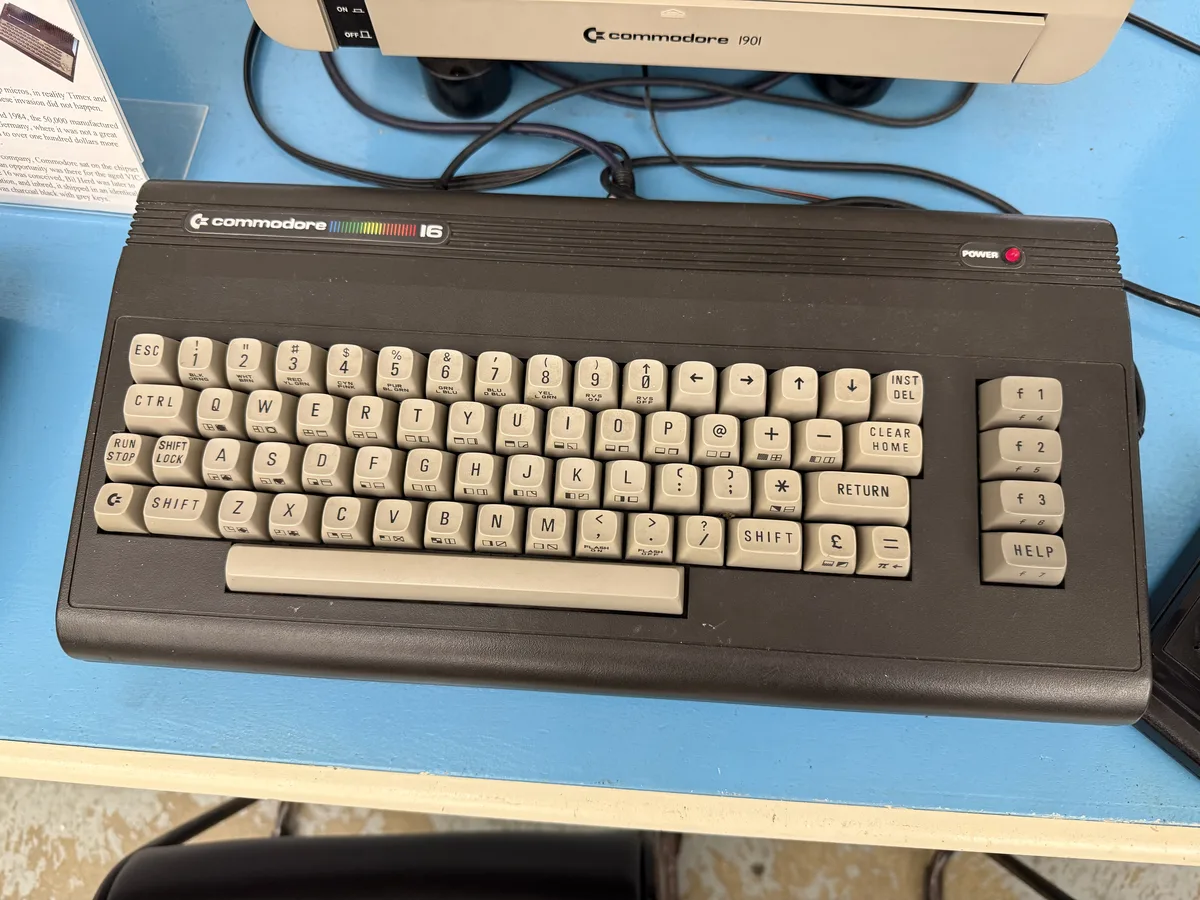
So, mostly photos.

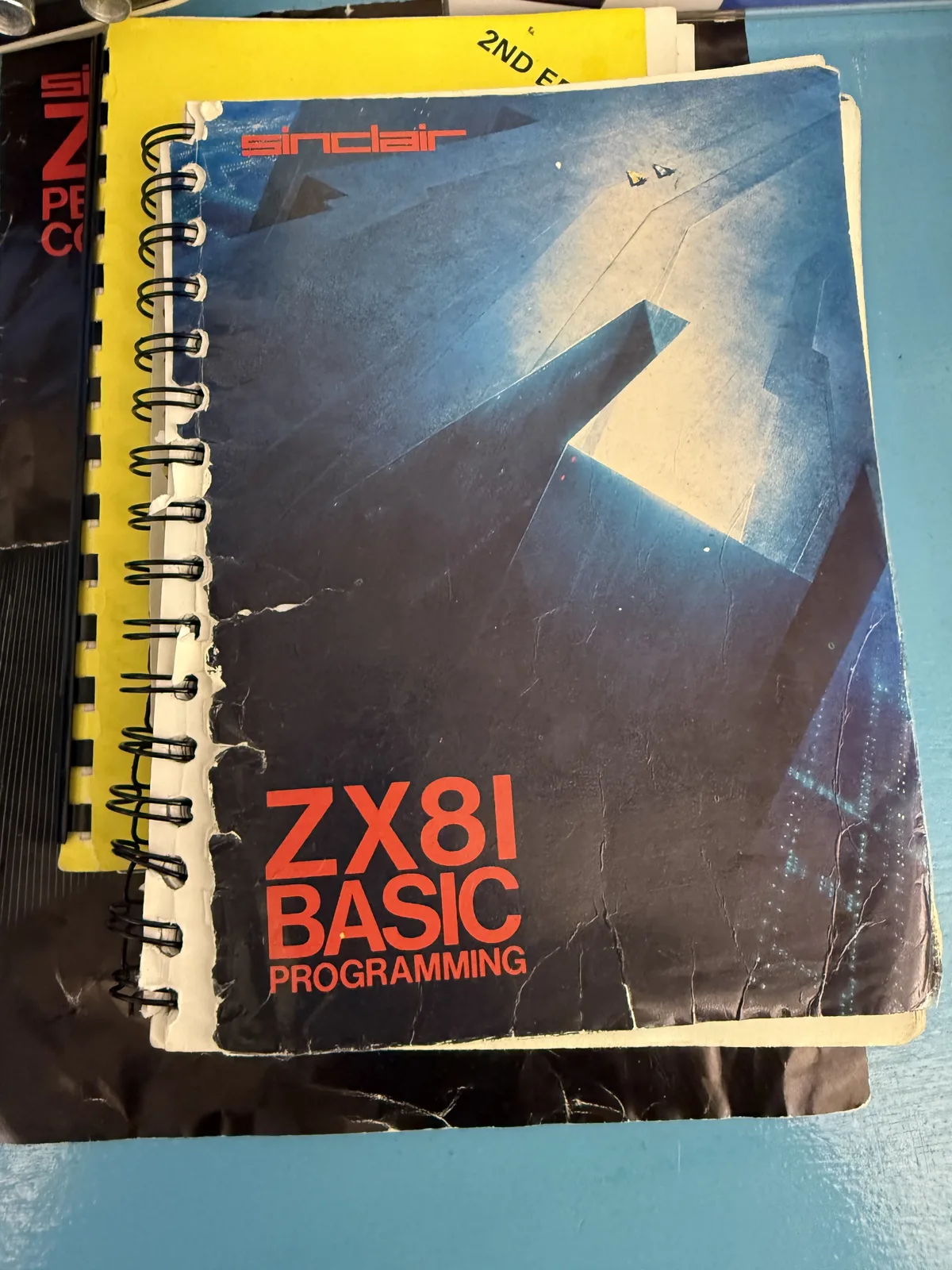
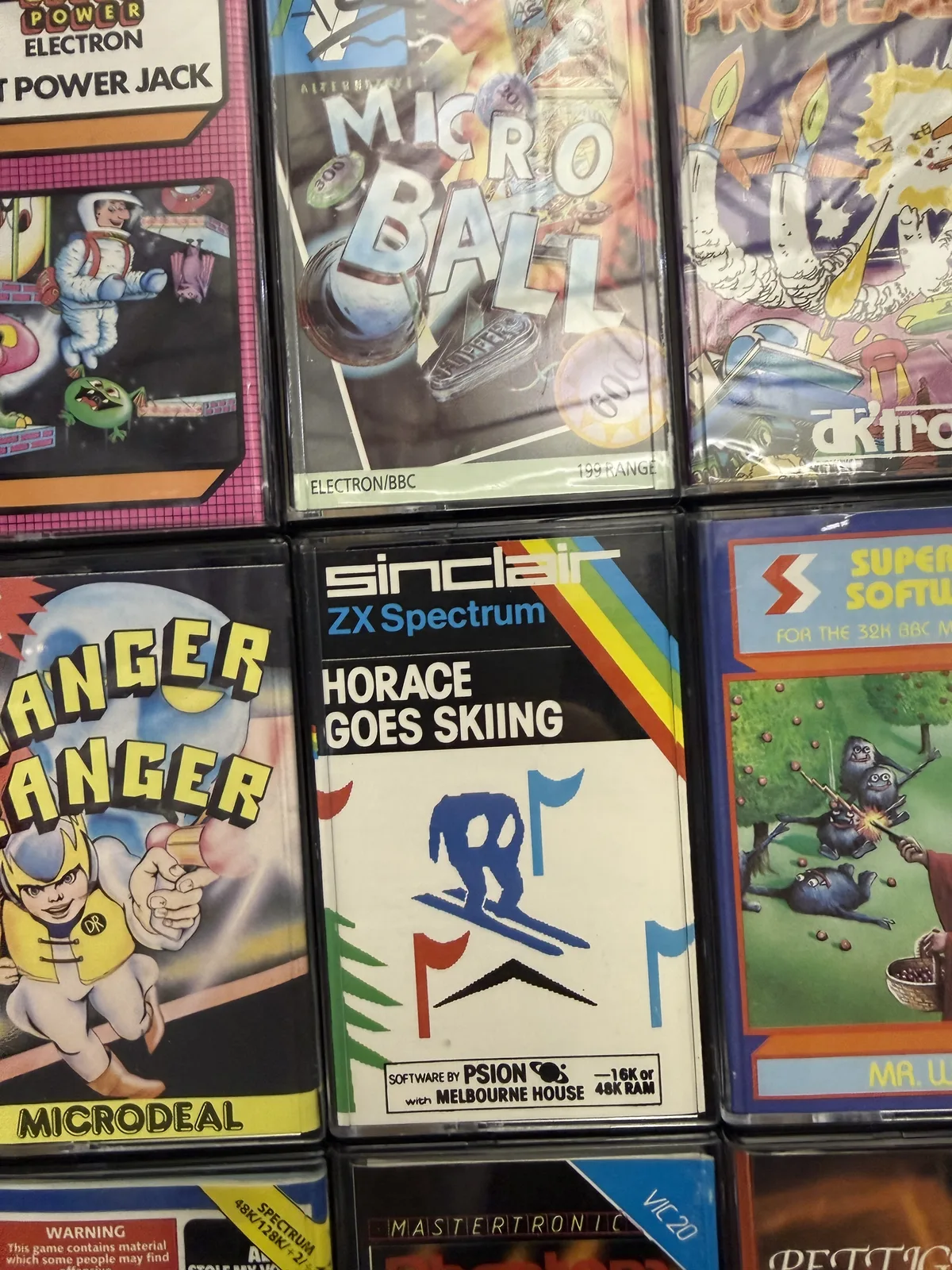
Astro Wars, still running.
The original Pong arcade cabinet, playing live on a period Sony CRT.
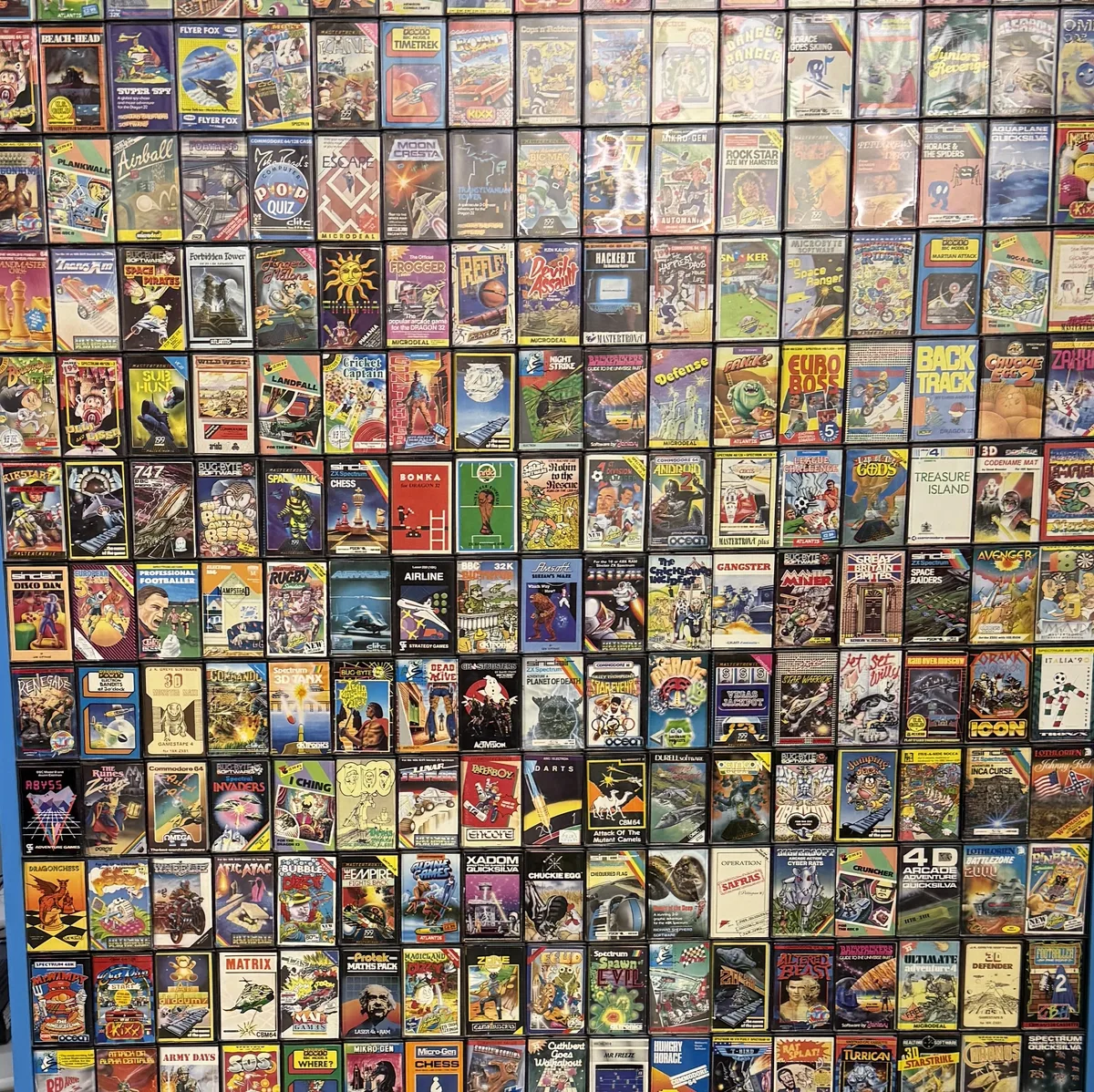
A working ALU logic unit demonstration rig.
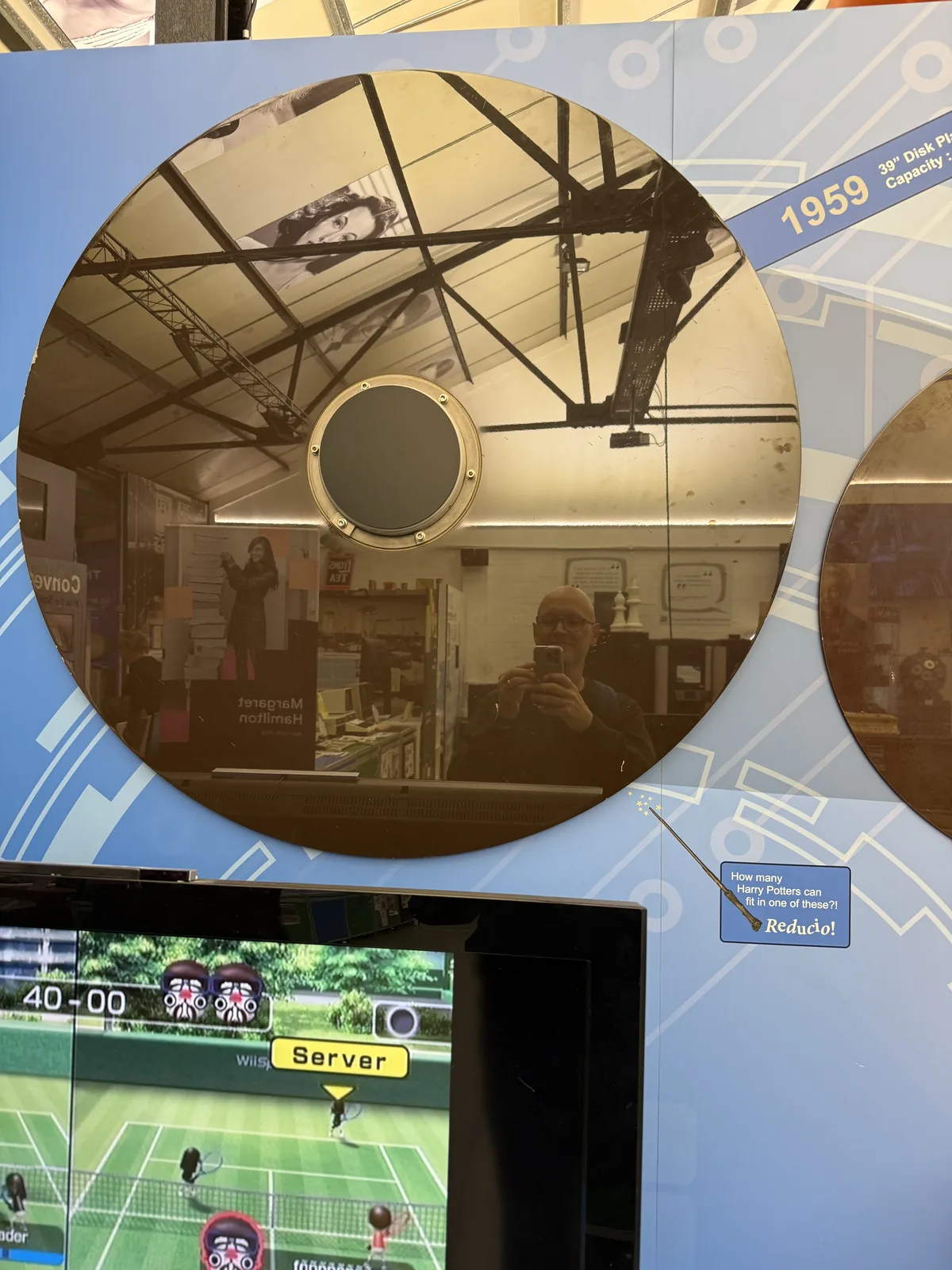
People - the True Heart of Decent Marketing
My talk at The Marketing Meetup's Cambridge chapter argued that AI visibility is a brand problem, not a content problem, backed by 5,095 real citation checks showing two published articles that never moved a single query they were written for.
Most B2B marketing revenue doesn't come from discovery. It comes from people who already know you.
Most early-stage B2B revenue traces back to people you already knew, not to search or campaigns. Relationship-mediated buying is the main mechanism, and marketing strategy should be built around it.
GEO vs AEO: Why the Distinction Matters
AEO gets your content surfaced in AI-generated answers today; GEO shapes what AI systems already believe about your brand before the query is ever asked. For B2B buyers researching over weeks or months, ignoring GEO is the costlier mistake.
Brand visibility is now a Bayesian problem
How does brand affect AI search visibility? It's a Bayesian problem: if the model's prior on your brand is weak, no content strategy will fix it in the short term.