I turned a 40-year-old ZX Spectrum cassette into an A3 art print. Here's how.
Spectrum tapes aren't music, the sound is data. Here's how to decode the original bytes off a 40-year-old cassette and turn them into a printed piece of art.
Ben Rees - 17 October 2026
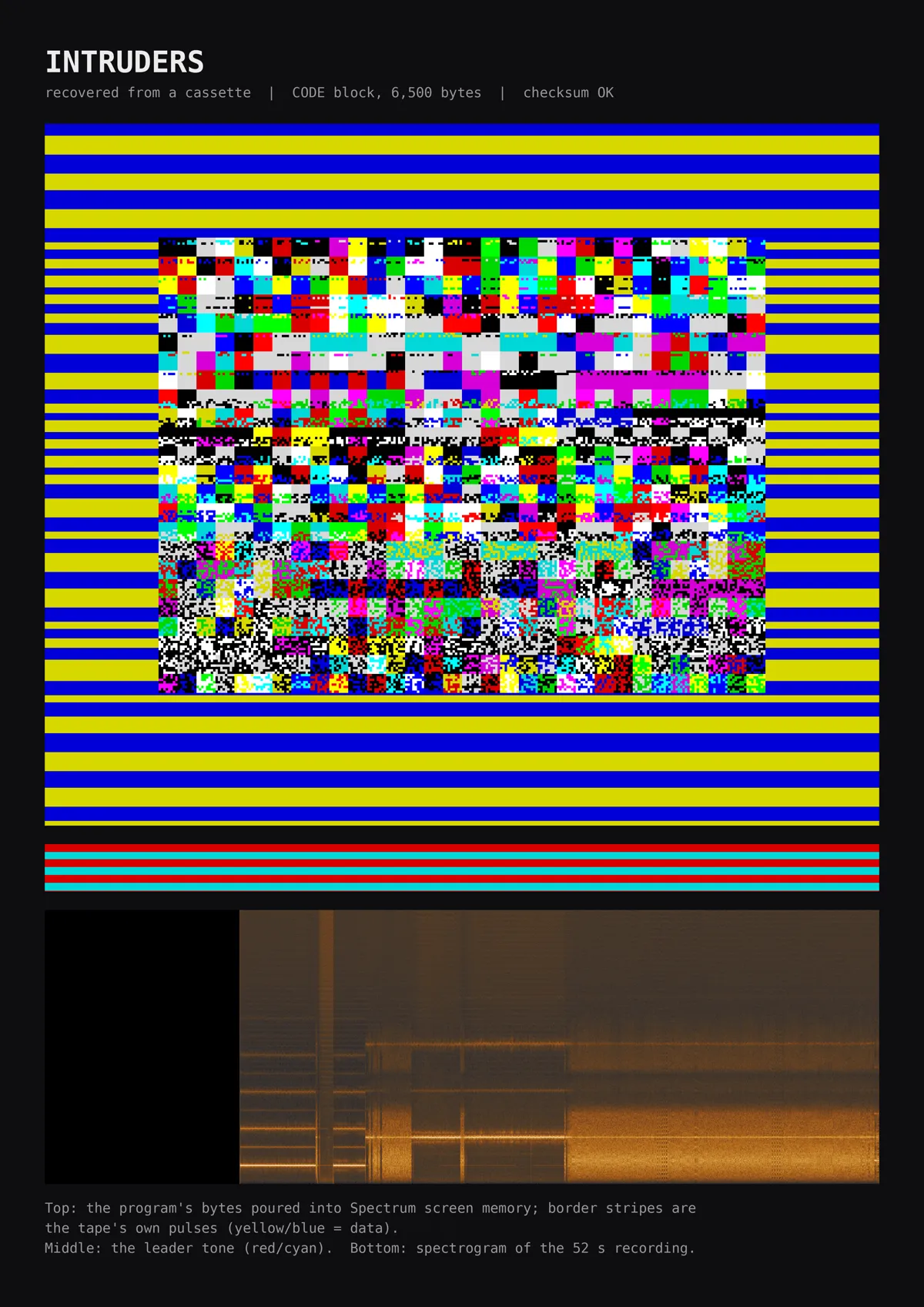
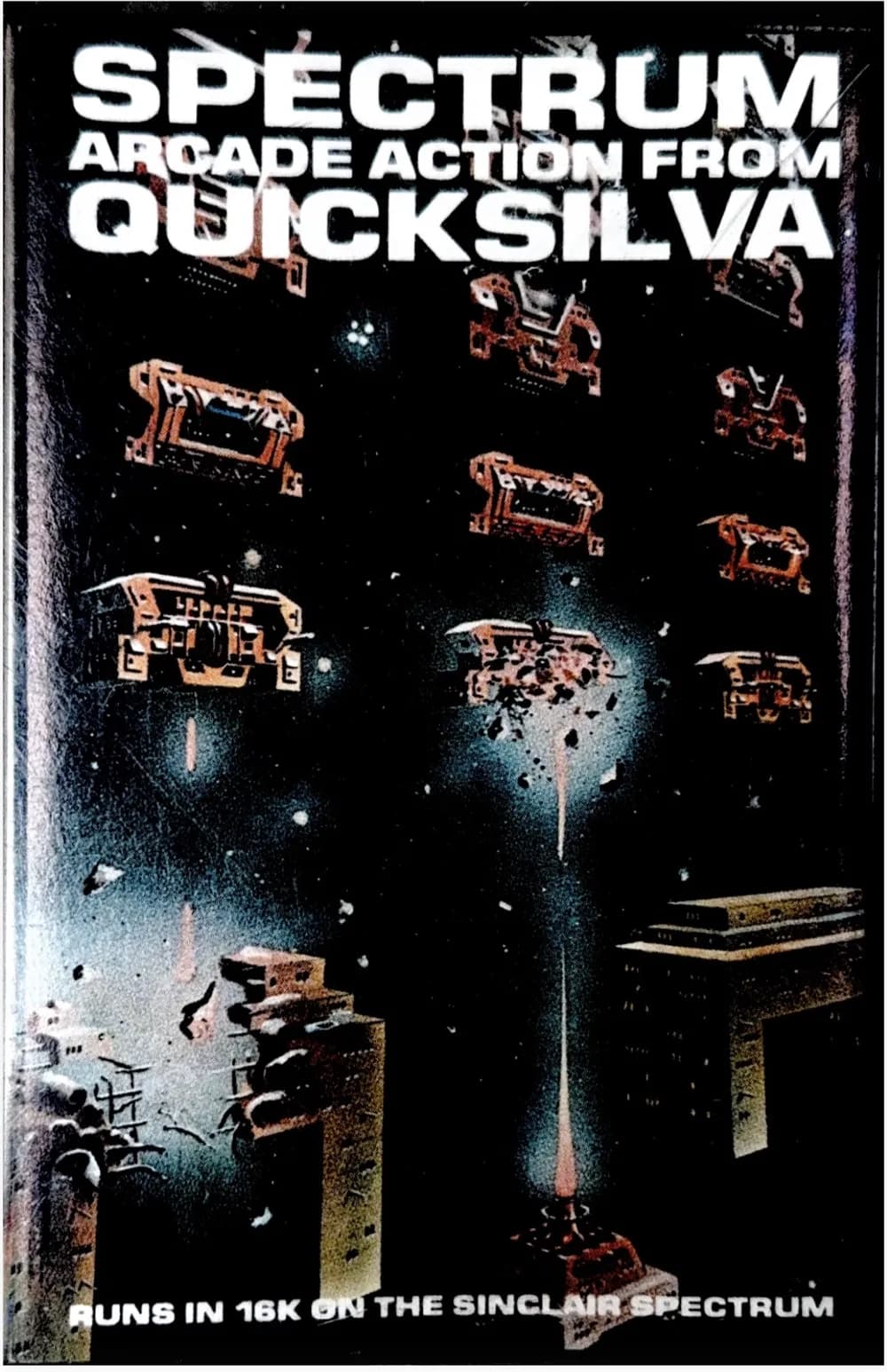
I haven't owned a ZX Spectrum for 40 years, but I found a game tape at the Centre for Computing History in Cambridge and wondered what was actually on it. Spectrum tapes aren't music. The sound is data, so you can decode it and see the original bytes.
If you want to try it:
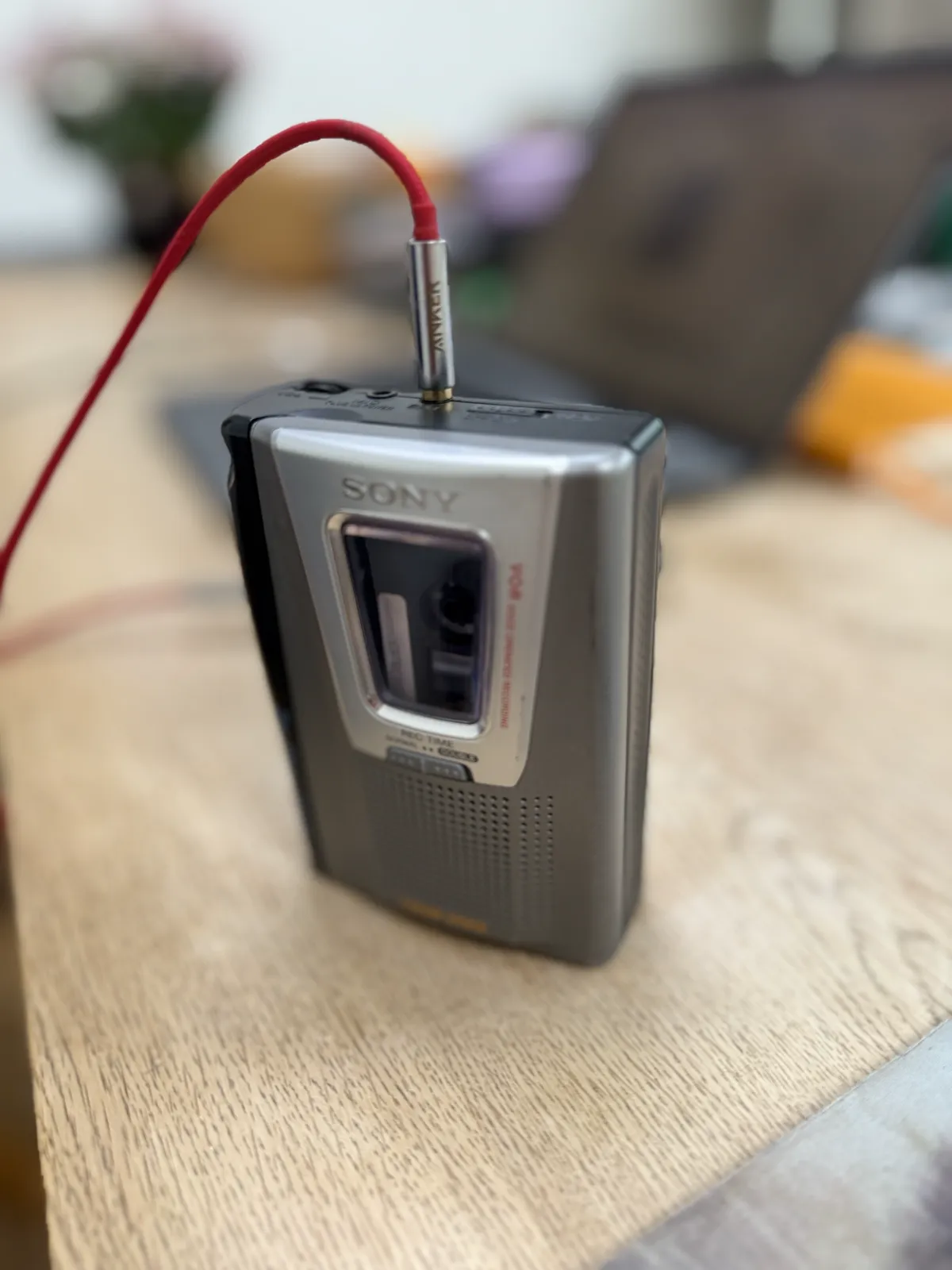
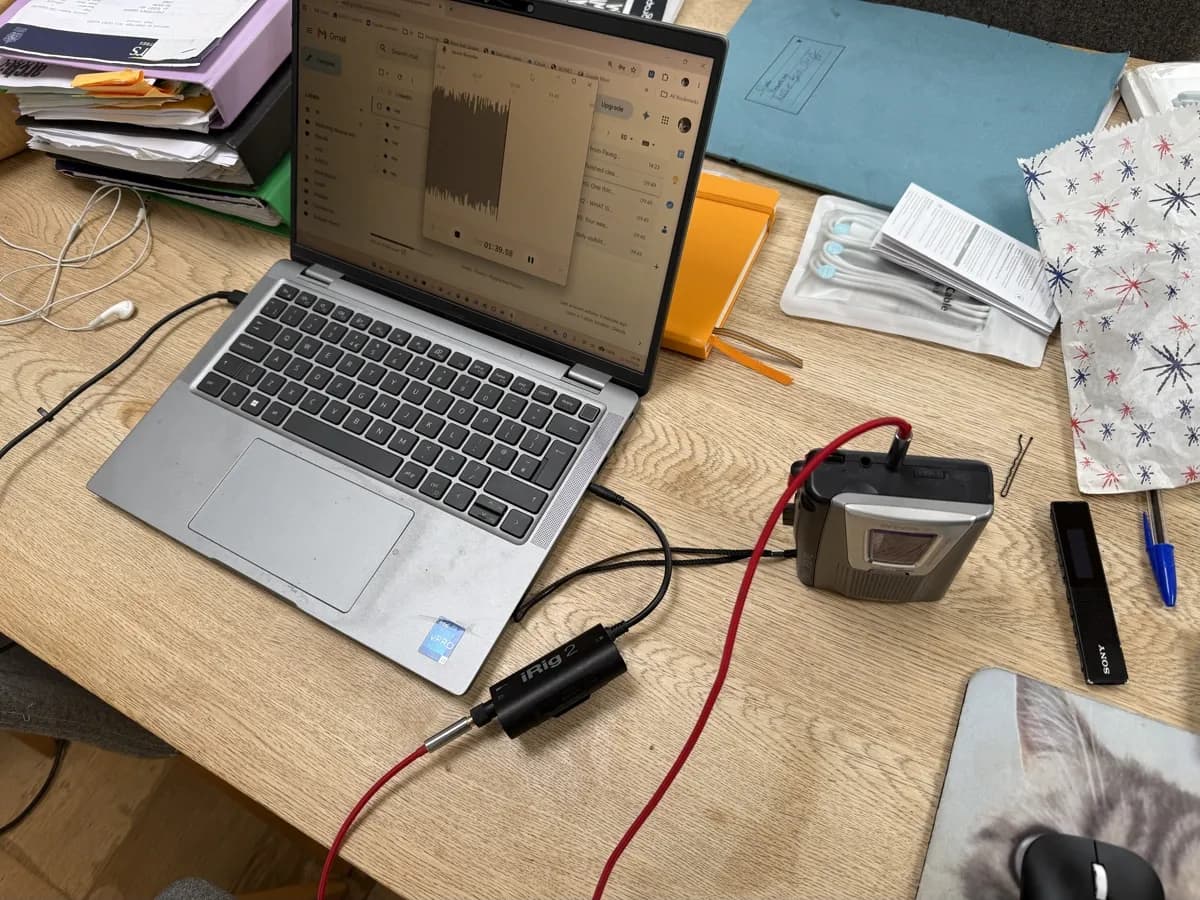
- Play the tape into a computer or phone. You need a player with a headphone socket and a way to record the signal. Keep the level high but not clipping, and don't apply any processing.
- Convert the recording to a mono WAV. Mine was a compressed AAC file and still decoded perfectly, so you don't need to be a purist.
- Find the pulses. The tape starts with a steady leader tone of about 807 Hz, then the data follows as short and long pulses (roughly 244 µs for a 0 and 489 µs for a 1).
- Decode the pulses into bytes. Tweak where each block starts until the Spectrum's built-in checksum comes out as zero. That tells you the data is exactly what was on the tape.
- Save it as a .TAP file. This is the simplest Spectrum tape format and it's tiny (mine was 6.5 KB). Emulators such as Fuse and JSSpeccy can load it.
- Make the art. I poured the bytes into Spectrum screen memory, drew the border stripes from the tape's own pulses, and added a spectrogram of the original recording.
- Print it. I rebuilt it at 3508 × 4961 pixels (A3 at 300 dpi), kept the pixels crisp, and had it printed and framed at Snappy Snaps.
The surprise: my tape held the game's machine code, not a loading screen. Each tape block has its own header, so check what you've got before you plan the artwork.
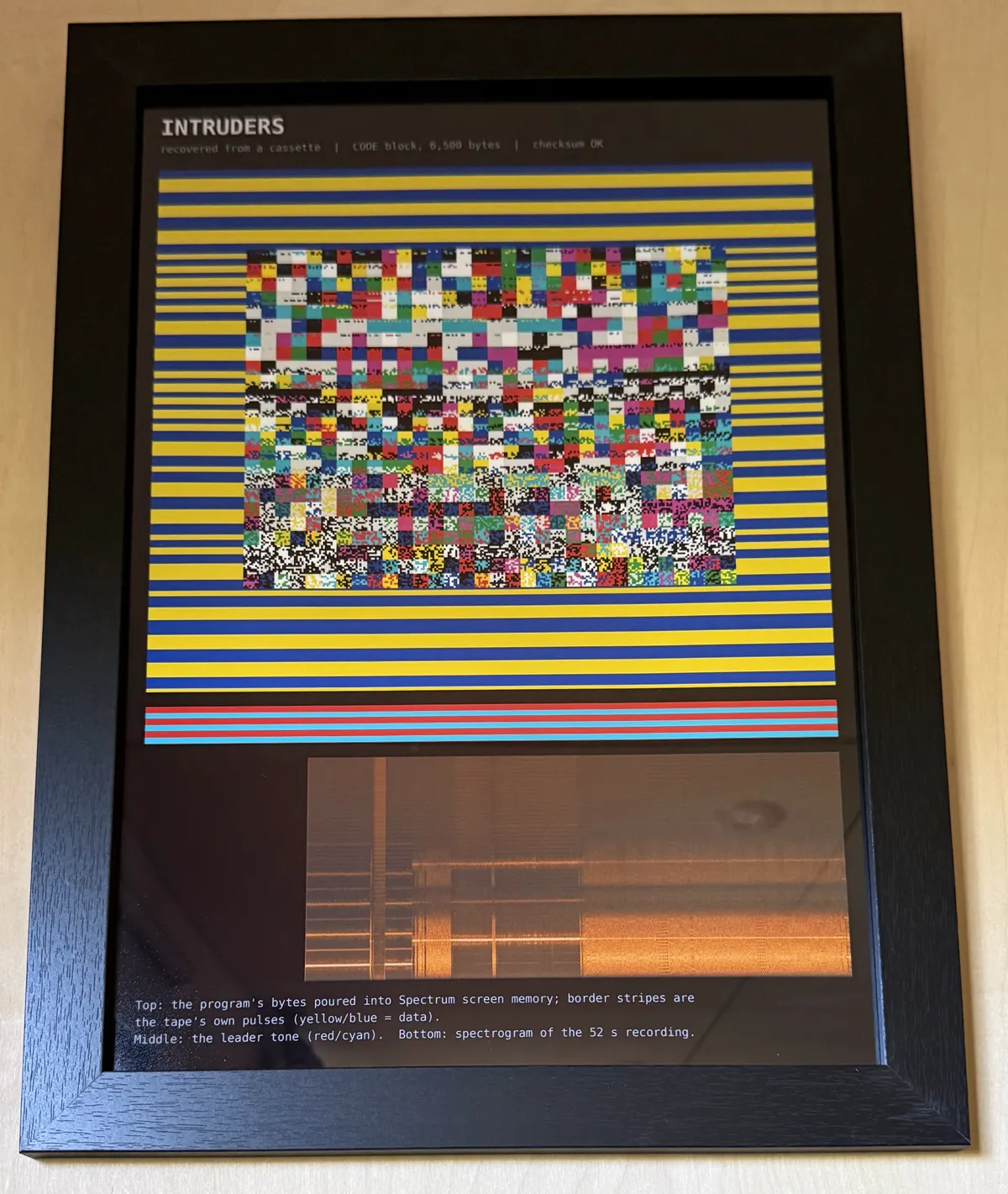
I did the decoding and image-making with Claude, which turned an afternoon of guesswork into a few steps.
If you're publishing your GEO content last, you're handing authority to someone else
Publishing GEO content after your AEO infrastructure is built is the wrong sequence. Parametric memory gets encoded during training, not at retrieval time.
The fix for a spiralling AI bill is rarely a cheaper model
Most AI cost overruns come from asking the same easy, judgement-free question over and over through an expensive interface, not from asking anything genuinely hard.
Building out Skynet and the importance of RAG
What a RAG system reveals about the material inside it, and why that distinction matters more than the technology.
The Hard Part of Running an Autonomous AI System Isn't the AI
My agent hasn't had a single moment of bad judgement all month. It has forgotten how to log into Google four separate times. The real governance problem in autonomous systems is mundane credential expiry, not alignment.